Hard Landscaping in Southgate
If you are looking for hard landscaping in Southgate, you are probably planning more than a quick tidy-up. You may want a garden that is easier to use, better for entertaining, more practical in wet weather, or simply more suited to the style of your home. In Southgate, outdoor spaces often need to work hard: front gardens may need better access, rear gardens may need durable surfaces for family life, and commercial properties may need neat, low-maintenance external areas that hold up well throughout the year.
Hard landscaping covers the structural, built elements of an outdoor space. That includes paving, patios, driveways, steps, retaining walls, edging, raised beds, pathways, drainage solutions, terraces, seating areas, and other features that shape how a space functions. It is the part of landscaping that gives a garden form, access, and long-term usability. For local homeowners, landlords, and business owners, this can make a big difference to everyday convenience and the overall appearance of a property.
Because Southgate has a mix of property styles, road layouts, and access considerations, it helps to work with a local team that understands the area. Terraced homes, semi-detached properties, detached houses, flats with shared access, and small commercial premises can all require different approaches. A well-planned hard landscaping project should feel tailored to the site rather than forced into a standard template. That is where local knowledge matters.
What hard landscaping can do for your Southgate property

Hard landscaping is often chosen for practical reasons first. A new patio can create a comfortable dining area, a paved path can improve safe access to a rear entrance, and a properly built driveway can make parking easier while adding structure to the front of a property. In Southgate, where many homes balance character with everyday family use, these improvements can make outdoor space far more manageable.
It can also transform how a property looks. Clean lines, well-chosen materials, and good levels can help a tired or awkward garden feel organised and welcoming. The right paving or stone finish can complement older brickwork, modern extensions, or rendered facades. For customers planning to stay in their home long term, this is often about improving daily life. For those preparing a property for sale or rental, it can also make the exterior feel more cared for and easier to maintain.
Commercial customers in and around Southgate may be looking for a professional external finish that is durable, safe, and simple to look after. That could include paving for entrance areas, loading or access routes, boundary walls, or practical surfacing around staff and customer spaces. In these settings, hard landscaping has to look good while standing up to regular use.
Why Southgate properties benefit from the right hard landscaping

Southgate has its own local rhythm: residential streets, busy main routes, parking pressures, and a variety of garden sizes and access points. This means hard landscaping needs to be designed with the site conditions in mind. A project that works well on paper may fail in practice if it ignores slope, soil movement, drainage, narrow side access, or the way a household actually uses the space.
Drainage is one of the most important considerations. Poorly planned paving or a badly installed patio can trap water near the property, create puddles, or suffer from frost damage over time. A local team will usually assess levels carefully and think through how rainwater should move across the space. That is especially important where gardens back onto neighbouring plots or where surfaces need to remain usable through wetter months.
Access is another key factor. Many Southgate homes have side return access, shared pathways, limited front-garden space, or rear gardens that require materials to be brought in carefully. A practical hard landscaping plan should account for the logistics of installation as well as the finished look. That makes local experience valuable because the team is more likely to understand the everyday constraints of working in the area.
Common hard landscaping services we can help with
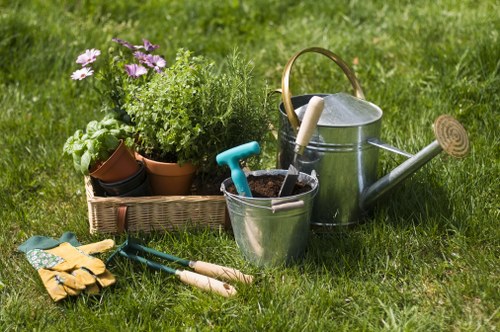
There is no single hard landscaping solution that suits every property. Different spaces call for different building methods and material choices. A good project usually starts with how you want to use the area, then moves into layout, drainage, materials, and finishing details. Whether you want a fresh patio, a more practical driveway, or a complete reworking of a garden layout, the aim is to create something that feels intentional and durable.
Typical hard landscaping work in Southgate may include:
- Patios and paved seating areas
- Driveways and parking spaces
- Garden pathways and access routes
- Steps, ramps, and level changes
- Retaining walls and edging
- Raised beds and planters
- Brickwork and decorative boundary features
- Outdoor terraces and entertaining spaces
- Practical surfacing for side returns and utility areas
Each element should be built to suit the property, not just to fill space. For example, a narrow rear garden might benefit from a simple, clean paving pattern that makes the area look wider. A sloped garden might need retaining walls or tiered levels. A front garden may need a balance between access, parking, and kerb appeal. The best results come from careful planning before any digging or building starts.
Patios that suit everyday Southgate living
Built for comfort, durability, and easy maintenance
A patio is one of the most popular hard landscaping features because it extends living space outdoors. For many Southgate homeowners, a patio becomes an informal dining area, a place for family time, or a low-maintenance spot that looks neat all year round. It can sit close to the house for easy access, or further down the garden to create a separate zone for relaxing or entertaining.
The material choice matters. Natural stone, porcelain, concrete paving, and other finishes all offer different looks and performance characteristics. Some customers prefer the warmth and character of stone, while others want the crisp, modern appearance and low-porosity benefits of porcelain. The right option depends on the style of the property, the level of foot traffic, and how much maintenance you want to take on.
Good patio work is about more than surface appearance. It should be laid on a suitable base, with correct falls for drainage, tidy joints, and clean edges. Small details make a big difference to how long the patio lasts and how well it performs. If you are comparing options for hard landscaping in Southgate, it is worth thinking about how the patio will be used on an ordinary weekday, not only on a sunny weekend.
Patio features customers often ask for
- Space for table and chairs
- Room for planters or built-in seating
- Direct access from kitchen or conservatory doors
- Steps linking different garden levels
- Drainage-friendly finishes and edge detailing
- Areas that are easy to sweep and maintain
Driveways and front-of-house improvements
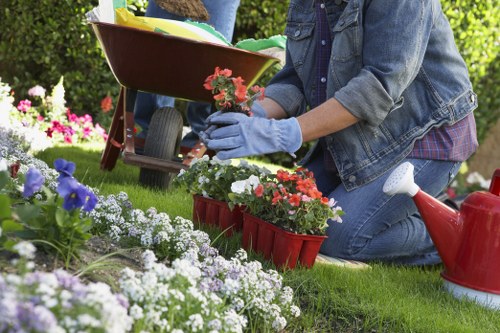
For many properties, the front of the house is where hard landscaping makes an immediate impression. A well-built driveway or front path can improve access, parking convenience, and the overall look of the property. In Southgate, where street parking can be tight and front gardens vary from compact to generously sized, a thoughtful driveway layout can be a real practical benefit.
Driveways need to be designed with careful attention to levels, drainage, loading, and turning space. Depending on the site, there may also be planning considerations, surface water management needs, or restrictions related to the property layout. A local hard landscaping team can assess the available space and discuss what is realistic before work begins. This helps avoid disappointment and ensures the finished result matches the day-to-day needs of the household.
Driveway surfacing options can include block paving, resin-bound finishes where suitable, paving slabs, gravel systems, or a combination of materials. The best choice depends on appearance, budget, maintenance preference, and how the driveway will be used. For some households, it is also important that the front garden remains sympathetic to the style of the street and surrounding properties.
Things to consider before upgrading your driveway
- How many vehicles need space?
- Will you need turning room or only straight access?
- Is there room for bins, bikes, or prams?
- How will rainwater drain away from the house?
- Do you want a finish that complements older brickwork or a newer extension?
Paths, steps, and access features that make life easier

Not every hard landscaping project is about making a big visual statement. Sometimes the most valuable improvements are the ones that make daily movement around the property safer and simpler. A level path, a better set of steps, or a properly edged route through the garden can make a house much easier to live in, especially for families, older residents, or anyone carrying shopping, garden tools, or children’s equipment.
In Southgate, many properties benefit from redesigned side access or rear paths that connect key areas cleanly. A narrow or uneven route can be replaced with paving that is easier to walk on, cleaner underfoot, and better integrated with gates, doors, and planting beds. Steps can be rebuilt to improve consistency and reduce awkward changes in height. When needed, ramps or gentle transitions may also be incorporated to improve usability.
Access features should feel safe, sensible, and visually neat. This often means thinking about width, slope, grip, and drainage as well as the surface itself. A well-built path or step sequence can make a garden feel much more finished, especially if it ties together the house, patio, shed, garage, or side entrance in a logical way.
Retaining walls, edging, and structure for sloped gardens
Helpful where the ground changes level
Many gardens are not flat, and some Southgate plots include slopes, dips, or changes in level that need to be managed carefully. Retaining walls can hold back soil, create flat seating or planting areas, and help shape the garden into usable sections. They also add definition, which can make an outdoor space feel more organised and deliberate.
Edging is another detail that is easy to overlook but very effective. It can separate lawns from paving, keep gravel contained, frame beds, or provide a crisp visual boundary for paths and patios. Proper edging also helps surfaces stay tidy over time by reducing spread, movement, and erosion at the edges. When hard landscaping is planned well, these smaller elements are part of what makes the whole project feel finished.
For sloping or complex gardens, the structure of the build matters just as much as the finish. A wall that looks attractive but is not properly designed for the conditions will not perform well. This is why it is useful to speak to a local team that understands the practical requirements of hard landscaping in Southgate, especially where drainage, soil movement, or pressure from higher ground may need to be considered.
How the service usually works
Every property is different, but many hard landscaping projects follow a clear process. This helps keep the work organised and ensures that the finished space matches the initial discussion. A straightforward process also makes it easier for you to understand what is happening at each stage.
Typical stages include:
- Initial discussion – You explain what you want to improve, how the space is used, and any practical issues you want solved.
- Site assessment – The layout, access, levels, drainage, and existing features are reviewed.
- Design and material choices – Suitable options are discussed based on your goals and the property type.
- Preparation – Ground is cleared, levels are set, and the area is prepared for construction.
- Installation – The paving, walling, edging, or other structural elements are built.
- Finishing – Joints, edges, and surface details are completed for a neat result.
If you are planning a larger project, it may also be sensible to stage the work in phases. That can be useful for families needing access to the house or for businesses that want to minimise disruption. A local team can discuss what is practical so the work fits around your routine as much as possible.
What is included in a hard landscaping project?
Typical inclusions and optional extras
The exact scope of work will depend on your property and the finish you want, but hard landscaping usually involves both groundwork and construction. Customers often find it helpful to know what is typically included so they can compare project options fairly and avoid surprises later on.
Depending on the project, work may include:
- Removal of old paving, walls, or damaged surfaces
- Ground preparation and excavation
- Setting levels and improving drainage where needed
- Sub-base installation for stable support
- Laying paving, blockwork, stone, or other materials
- Building steps, walls, or edging details
- Cutting and fitting around existing features
- Finishing joints and cleaning down the completed area
Optional extras may include decorative borders, raised planters, integrated seating, or the joining together of several garden zones. If you are not sure what would work best, it is usually best to start with the practical elements first, then add design features that suit the space.
Preparation checklist before your work begins
A little preparation can help the project run more smoothly and reduce delays on site. If your project involves a driveway, patio, path, or walling work, it is worth thinking ahead about access and everyday routines. This is especially useful in Southgate where some streets and rear access points can be tighter than expected.
Useful things to check before installation
- Clear access for materials and equipment where possible
- Move vehicles, garden furniture, and fragile items away from the work area
- Identify shared access routes or neighbour considerations if relevant
- Decide how you will use the property while work is underway
- Keep pets and children safely away from the working area
- Think about where waste materials may need to be stored or removed
You do not need to organise everything alone, but having a clear idea of the layout and access helps the team plan efficiently. If there are bins, side gates, limited parking, or narrow passages, mention these early so the work can be organised properly. This sort of practical planning is one of the reasons a local company can be easier to work with.
Pricing factors for hard landscaping in Southgate
What affects the cost of a project?
It is natural to want clarity about price, but hard landscaping is usually priced based on site conditions and the materials selected rather than a fixed one-size-fits-all figure. The final scope can vary a lot from one Southgate property to another, so any proper quotation should reflect the actual work required.
Common factors that affect pricing include:
- Size of the area being worked on
- Current condition of the site and how much removal is needed
- Ground conditions and whether extra excavation is required
- Choice of materials and finish
- Complexity of levels, steps, or retaining features
- Drainage requirements
- Access for materials, tools, and waste removal
- Whether the work is a simple upgrade or part of a larger redesign
For local customers, one of the most useful things about requesting a site-specific quote is that it helps you compare options more accurately. A patio, for example, may seem similar across different properties at first glance, but the depth of preparation, the level of detail, and the materials chosen can all change the workload considerably. Accurate pricing starts with a proper understanding of the site.
Why choose a local hard landscaping company?
Choosing a local company for hard landscaping in Southgate offers more than convenience. Local teams are generally more familiar with the property types, access constraints, and day-to-day practical issues that affect projects in the area. They are also more likely to understand how to work neatly in residential streets, shared spaces, and busy local settings where disruption needs to be kept sensible.
There is also value in local responsiveness. If you need to discuss a change, clarify access, or ask about a detail on site, a local team can usually respond with a better sense of the real conditions involved. That can be particularly helpful for larger jobs involving patios, walling, or multi-stage garden transformations. For business owners, schools, landlords, and managing agents, it can also help to work with a company that understands practical scheduling and site coordination.
Another benefit is consistency. A local hard landscaping team that regularly works in and around Southgate is likely to have seen a range of layouts similar to yours. That makes it easier to suggest sensible solutions and avoid unnecessary complications. In short, local experience can save time, reduce stress, and improve the fit between the finished work and the property itself.
Areas covered around Southgate
Hard landscaping needs often come from a wider local area, not just one street or neighbourhood. Customers looking for work in Southgate may also live or trade nearby in surrounding parts of North London. The exact coverage will depend on the project, but local work often includes nearby residential and commercial locations where similar access and property considerations apply.
Nearby places may include:
- Winchmore Hill
- Arnos Grove
- Palmers Green
- Bounds Green
- Oakwood
- Barnet
- Enfield
- Muswell Hill
If your property sits on the edge of the area or has unusual access needs, it is still worth asking. A local approach often means the team can assess whether the work is practical, what resources are needed, and how best to plan the installation. That flexibility is especially useful for customers with busy households or commercial premises that need careful scheduling.
What makes a hard landscaping project successful?
Planning, workmanship, and the right materials
Good results come from a combination of solid preparation, careful building, and suitable material choices. A patio or driveway may look simple on the surface, but the work beneath it is what determines stability and longevity. That is why experienced installers focus on the foundations, drainage, levels, and edges as much as the visible finish.
Material selection also plays an important role. Some surfaces suit traditional homes, while others work better with contemporary extensions. Some finishes are best for low-maintenance use, while others are chosen for warmth, texture, or a more natural look. If you are unsure, the best approach is to discuss how the space will be used and then choose materials around those needs rather than simply choosing by appearance alone.
Durability matters. Hard landscaping is exposed to weather, foot traffic, vehicle weight, and constant everyday use. A successful project should feel stable, drain properly, and remain visually attractive with sensible upkeep. That is what customers are usually hoping for when they invest in a patio, path, wall, or driveway.
Frequently asked questions
How long does hard landscaping take?
The timescale depends on the size and complexity of the project. A small path or patio may take less time than a full driveway or a garden with retaining walls and multiple levels. Site access, weather, and the amount of preparation needed can also affect the schedule.
Can hard landscaping be done in small gardens?
Yes. Small gardens often benefit greatly from a well-planned hard landscaping design because every square metre matters. The right paving layout, edging, and access route can make a compact space feel more useful and better organised.
Do I need drainage improvements with new paving?
Not always, but drainage should always be considered. Some sites need better falls, soakaway arrangements, or other adjustments so water does not collect near the property or pool on the surface.
Can you work around existing features?
In many cases, yes. Existing trees, fences, sheds, utility covers, and mature planting may be incorporated into the design where practical. The best approach is to assess the site before finalising the plan.
Is hard landscaping suitable for commercial properties?
Absolutely. Commercial properties often benefit from tidy, durable surfacing that improves access and presents a professional external appearance. Paths, entrance areas, walls, and parking surfaces are all common commercial requirements.
Ready to improve your outdoor space?
If you are considering hard landscaping in Southgate, now is a good time to think about what would make the biggest difference to your property. It might be a new patio for family life, a driveway that improves parking, a safer path to the rear entrance, or a complete redesign that brings order to a tired garden. The right solution will depend on your space, your priorities, and the practical realities of the site.
For homeowners, landlords, and commercial customers, a well-planned hard landscaping project can improve how an outdoor area works every day. It can also help create a more attractive, durable, and easier-to-manage property exterior. If you want to discuss your ideas, compare options, or find out what would suit your Southgate property best, contact us today to request a free quote or book your service now.
Whether you are starting with one small feature or planning a full transformation, the right hard landscaping work can make the space more usable for years to come.